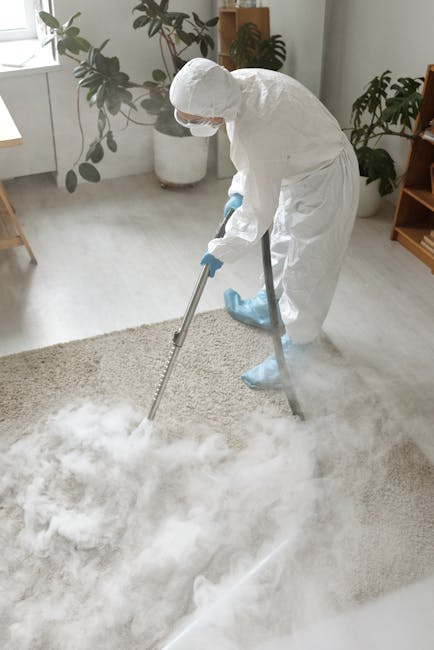
Harrow Road carpet cleaning experts Brent: a practical guide to cleaner carpets, better results, and fewer headaches
If your carpet has started to look tired, flatten out in the busy walkways, or hold onto that faint smell that never quite shifts, you are not imagining it. Carpets in and around Harrow Road take a beating from everyday life: muddy shoes, takeaway spills, pets, spring pollen, and the general coming and going of London living. That is exactly where Harrow Road carpet cleaning experts Brent become useful. Not just for making fibres look brighter, but for helping you protect your flooring, improve indoor comfort, and avoid the costly mistake of letting dirt settle in for too long. In practice, a good carpet clean is less about fancy promises and more about the right method, the right preparation, and a bit of care.
This guide walks through how professional carpet cleaning works, what to expect, when it makes sense, and how to choose a sensible approach for your home or rented property. It is straightforward, local, and grounded in real-world use rather than fluff.
Why Harrow Road carpet cleaning experts Brent Matters
Carpet cleaning matters because carpets are a bit like quiet storage for everyday life. They collect dust, grit, skin flakes, pet hair, crumbs, and spilled liquids, usually without showing the full picture at first glance. Then one day you notice a patch near the sofa that looks dull no matter how often you vacuum. Or a hallway runner starts to hold shadows where people walk most. That is when professional cleaning stops being a nice-to-have and becomes a sensible bit of home maintenance.
For homes along or near Harrow Road, there is another local angle. Roads with regular traffic, passing dust, and frequent footfall can leave carpets looking older than they really are. If you have children, pets, housemates, or tenants coming and going, the effect builds quickly. The pile gets crushed. Fine grit acts like sandpaper underfoot. And if a spill is left untreated, it can seep deeper into the backing where ordinary cleaning does little.
Good carpet cleaning is not only about appearance. It can also help with:
- reducing the build-up of dirt that vacuuming cannot reach
- freshening rooms that feel stuffy or tired
- helping fibres last longer by removing abrasive debris
- supporting a cleaner, more comfortable living space
- making it easier to hand over a property at the end of a tenancy
That last point matters more than people think. A carpet can look "fine" in daylight and still fail the sniff test when someone walks in after a wet day. Truth be told, carpets often need more care than they get.
How Harrow Road carpet cleaning experts Brent Works
Professional carpet cleaning is usually a structured process rather than one quick blast with a machine. The method used depends on the carpet fibre, the soil level, the type of stain, and how quickly the carpet can dry afterwards. The most common approach is hot water extraction, sometimes called steam cleaning, although it is not literally steam in the domestic sense. It uses heated water and solution to loosen dirt, then extracts moisture and debris with strong suction.
Before any cleaning starts, the carpet should be inspected. A responsible cleaner will look for fibre type, wear patterns, colour fastness, old repairs, and spots that need special attention. That matters because wool, synthetic blends, and delicate rugs do not all react the same way. A one-size-fits-all method can be a bit rough, and no one wants a cleaner that makes a small problem into a bigger one.
In a normal visit, you can expect the process to look something like this:
- Assessment - the cleaner checks the carpet, identifies stains, and decides on the safest method.
- Preparation - furniture may be moved where practical, and loose debris is removed.
- Pre-treatment - targeted solution is applied to break down soiling and marks.
- Agitation - the fibres may be lightly worked to lift embedded dirt.
- Extraction or cleaning - the main clean is carried out with the chosen system.
- Spot treatment - stubborn areas are treated again if needed.
- Drying advice - guidance is given on ventilation, walking on the carpet, and re-setting furniture.
Some carpets benefit from low-moisture methods, especially where drying time is tight. Others need a deeper rinse because the pile holds onto grit and residue. The best cleaners do not force the same process every time. They choose based on the carpet, not their favourite machine. That sounds obvious, but in practice it separates careful work from rushed work.
If you are already comparing broader cleaning support for a property, it can also help to look at related services such as deep cleaning or domestic cleaning, especially when carpets are part of a wider refresh. For move-out situations, end of tenancy cleaning is often the more practical bundle.
Key Benefits and Practical Advantages
The obvious benefit is that carpets look cleaner. Fine. But the real value is broader than that, and if you have ever stood in a room after a proper clean, you will know what I mean. The place feels lighter. Less sticky. More settled.
- Better appearance: colours often look sharper once surface grime is removed.
- Improved freshness: odours trapped in fibres are reduced, especially after food spills or pet use.
- Longer carpet life: removing abrasive dirt helps the pile stay healthier for longer.
- Better hygiene: a thorough clean removes a lot more than regular vacuuming can manage.
- Property presentation: useful before guests arrive, before photos, or before a tenancy handover.
There is also a practical comfort factor. Bare feet on a freshly cleaned carpet simply feel different. Less dusty. Less flat. Small thing, perhaps, but you notice it in the evening when the room is quiet and the floor no longer looks dulled by life.
Another advantage is targeted stain treatment. A decent carpet specialist will not treat red wine, coffee, grease, and mud as identical problems. Different stains behave differently. The sooner they are addressed, the better the outcome usually is. Left alone, a stain can oxidise, spread, or bond with the fibres. Not ideal.
Who This Is For and When It Makes Sense
Harrow Road carpet cleaning experts Brent are useful for a wide mix of people. Some need a one-off rescue after a spill. Others want routine upkeep. Some are dealing with tenancy deadlines. Others just want the sitting room to stop looking tired at 8am, which is fair enough.
This kind of service makes sense if you are:
- a homeowner wanting to refresh living spaces
- a tenant or landlord preparing for check-out or check-in
- a family dealing with muddy shoes, snacks, and everyday wear
- a pet owner managing fur, odours, and the occasional accident
- an office or small business trying to keep reception areas presentable
- someone who has tried DIY cleaning and got mixed results
It is especially worth considering if your carpet has:
- visible traffic lanes or flattening
- old spills or spot marks
- pet odours
- post-renovation dust settling into the pile
- a musty feel after a damp season or a leak
One small but important note: not every carpet needs the same level of intervention. A lightly used bedroom carpet may only need a refresher. A hallway beside the front door, on the other hand, can be hiding a surprising amount of grit. The honest advice is to match the clean to the need, not to oversell the job.
Step-by-Step Guidance
If you want the best outcome, a little preparation goes a long way. Here is the simplest way to think about it.
- Identify the problem areas. Walk around the room slowly. Look for stains, traffic lines, odours, and places where furniture has marked the pile.
- Vacuum properly first. A good vacuum removes loose soil and makes the professional clean more effective. Skipping this step is a bit like washing a muddy car without rinsing it first.
- Check the fibre type. If you know whether it is wool, synthetic, or a blend, say so. If you do not know, the cleaner can inspect it.
- Move small items out of the way. Lamps, toys, baskets, and fragile bits should be cleared before the visit.
- Flag delicate stains early. Tell the cleaner about drinks, bleach spots, ink, pet accidents, or anything you have already tried on it.
- Ask about drying time. This is more important than people realise. The room may need ventilation, and foot traffic should be kept sensible until dry.
- Set expectations on furniture. Some items can be moved, some cannot, and some should not be. A careful approach avoids damaged legs or stretched fabric.
- Review the result once dry. A stain that looks faintly visible while damp may improve further as it dries. If something remains, raise it promptly.
If the carpet is part of a broader home reset, you might also consider pairing the visit with sofa cleaning or upholstery cleaning. That keeps the room looking consistent rather than having one fresh surface beside two tired ones. A bit like ironing one shirt and leaving the jacket creased. Close, but not quite there.
Expert Tips for Better Results
Small choices make a big difference with carpets. In our experience, the better results usually come from calm preparation rather than aggressive cleaning.
- Act quickly on spills. Blot, do not scrub. Rubbing pushes the stain deeper and can fray fibres.
- Test any home product carefully. If you are using a spot cleaner, test a hidden area first. Colour loss is not a fun surprise.
- Keep shoes off cleaned areas where possible. It sounds obvious, but fresh dirt appears fast on a damp carpet.
- Ventilate the room. Open windows where practical and safe. Air movement helps drying and reduces lingering dampness.
- Do not overwrite a stain with too much liquid. Too much product can leave a sticky residue that attracts dirt later.
- Ask for the right method, not the fastest one. Sometimes low-moisture is better. Sometimes a deeper rinse is the honest choice.
- Book before the carpet looks dreadful. Maintenance cleaning is usually easier than a rescue clean after years of build-up.
One practical tip that gets overlooked: use entrance mats properly. If they are thin, crooked, or never cleaned themselves, they are not doing much. A good mat near the door catches grit before it gets ground into the carpet pile. Very plain advice, yes, but useful.
Also, if your carpet has a recurring stain in the same spot, check the source rather than just the mark. A leaking plant pot, a pet feeding area, or a hallway shoe rack can keep reintroducing dirt. Fix the habit, not just the symptom.
Common Mistakes to Avoid
Carpet cleaning errors are usually not dramatic. They are small, repeated things that slowly make the problem worse. That is the annoying part.
- Using too much detergent: residue attracts dirt and can make carpets resoil faster.
- Scrubbing stains aggressively: this can spread the mark and damage fibres.
- Ignoring drying time: walking on a damp carpet too soon can flatten the pile and re-mark it.
- Choosing the wrong method: delicate carpets need different treatment from sturdy synthetic ones.
- Waiting too long: older stains are harder to remove cleanly.
- Not checking for hidden issues: pet odour, mould risk, or water damage beneath the surface can change the plan.
- Going purely by price: cheapest is rarely the safest bet if the carpet is valuable or delicate.
Another mistake is assuming every "deep clean" means the same thing. It does not. Some jobs are light refreshes, some are intensive soil removal, and some need delicate stain management. Ask what is included and how the cleaner would approach your specific carpet. A decent expert will not dodge that question.
Tools, Resources and Recommendations
You do not need a warehouse full of equipment to keep carpets in decent shape, but the right tools help. For regular care, the basics are often enough. For stubborn soil, professional-grade kit makes all the difference.
| Tool or approach | What it helps with | Best use |
|---|---|---|
| Vacuum cleaner with good suction | Loose dust, crumbs, grit, pet hair | Weekly maintenance and pre-clean prep |
| Microfibre cloths | Blotting small spills without spreading them | Immediate spill response |
| Neutral carpet spot treatment | Fresh stains and light marks | Small spot treatment with caution |
| Professional extraction machine | Deep embedded dirt, odour, and heavy soiling | Periodic professional carpet cleaning |
| Airflow and ventilation | Drying after a wet clean | Immediately after treatment |
If you are managing a whole property rather than a single room, it can be worth thinking in layers. Carpets, hard floors, windows, and soft furnishings all influence how clean a space feels. For example, window cleaning can make a freshly cleaned room look brighter almost instantly, while hard floor cleaning helps the rest of the property feel consistent. If there is ongoing upkeep needed, home cleaners may be a sensible complement to periodic specialist carpet care.
For budget planning, it is sensible to ask for transparent pricing and quotes rather than guessing from a phone call. Clear scope matters. So does knowing what happens if a stain needs extra treatment. No one likes vague pricing. It's a bit like ordering food with no menu.
Law, Compliance, Standards, or Best Practice
Carpet cleaning is not usually a heavily regulated service in the same way as some trades, but reputable cleaners still need to follow sensible UK best practice. That means paying attention to health and safety, safe chemical use, client property, and clear communication about what can and cannot be achieved.
From a customer's point of view, a trustworthy cleaning company should be willing to discuss:
- how they handle stains and fabric safety
- whether they carry appropriate insurance
- what drying times to expect
- any risks to delicate carpets, rugs, or underlay
- how access, water use, and electrical equipment are managed safely
If you are booking in a shared building, rented property, or office, it is also sensible to think about access and responsibility. For example, who will provide entry, who is present, and whether the job affects other occupants. The cleaner should be clear about their working process and any limitations.
You can also look for a company that is open about policies and service terms. Useful pages include insurance and safety, health and safety policy, privacy policy, and terms and conditions. That kind of transparency usually tells you more than a polished sales line ever will.
Environmentally, many customers now prefer a cleaner who works carefully with water and products rather than simply using more of everything. If sustainability matters to you, it is worth reviewing a company's recycling and sustainability approach in plain English.
Options, Methods, or Comparison Table
Not every carpet needs the same treatment. Here is a simple comparison that helps when deciding what makes sense.
| Method | Best for | Pros | Things to watch |
|---|---|---|---|
| Vacuum-only maintenance | Weekly upkeep | Fast, affordable, essential | Will not remove embedded dirt |
| Spot cleaning | Fresh small spills | Useful for quick damage control | Can spread stains if done badly |
| Low-moisture cleaning | Delicate carpets or short drying windows | Faster drying, less saturation | May be less effective on heavy soil |
| Hot water extraction | Deep soiling, traffic lanes, general refresh | Strong deep-clean result | Longer drying time |
| Specialist stain treatment | Wine, coffee, grease, pet marks | Targets specific problems | Not every stain can be fully removed |
If you are deciding between a simple clean and a broader property refresh, think about the room's use. A front room used every day may benefit from a deeper method. A guest room may only need maintenance. A hallway near the front door is usually the hardest-working area in the house and often deserves more attention than people give it.
For larger jobs or move-related cleaning, it can help to pair the carpet work with one-off cleaning or, where relevant, after builders cleaning. Dust from renovation work gets everywhere, and carpets are usually first in line.
Case Study or Real-World Example
Here is a realistic example from a typical Brent property scenario. A family in a Harrow Road flat had a hallway carpet that looked dark along the centre line and slightly dull by the front door. Nothing dramatic at first glance. But once the shoes came off, the carpet felt gritty underfoot and held a faint stale smell after wet weather. They had tried vacuuming more often, then a supermarket spray, then a spot cleaner. The result? The stain became less visible in one patch and more visible in another. That happens more than people admit.
In that situation, the cleaner first checked the carpet fibre and looked for dye sensitivity. The main concern was not just appearance but whether the cleaner would leave residue or over-wet the backing. After a pre-treatment and a controlled extraction clean, the hallway looked lighter, the pile stood up better, and the smell that had been hanging around near the entrance was reduced. Not magic. Just the right method, done properly.
What did the family notice most? Not the dramatic "before and after" photo. It was the everyday feel. The hallway stopped looking tired at 7am. The front room seemed brighter. And walking in from the wet pavement no longer felt like tracking the street through the house. That is often the real win.
Practical Checklist
Use this checklist before booking or carrying out carpet cleaning in Harrow Road, Brent.
- Identify the carpet type if you can
- Note every stain, odour, and high-traffic area
- Vacuum thoroughly before the clean
- Tell the cleaner about previous products used on the carpet
- Ask what method they recommend and why
- Check expected drying time
- Clear small items and fragile belongings from the room
- Confirm whether furniture movement is included
- Ask about insurance and safety procedures
- Ventilate the room after cleaning where possible
- Avoid walking on the carpet until it is properly dry
- Keep the cleaner's aftercare advice in mind for the first 24 hours
If you want the job to run smoothly, this list is a good starting point. Nothing fancy. Just the kind of prep that saves time later.
Conclusion
Harrow Road carpet cleaning experts Brent can make a real difference when carpets are dull, stained, or simply overdue for proper care. The value is not only in the visible result, but in how the room feels afterwards: cleaner, fresher, and easier to live in. The key is choosing the right method, setting sensible expectations, and treating carpet care as part of routine property maintenance rather than a last-minute rescue mission.
Whether you are maintaining a family home, preparing for tenants, or just trying to bring a bit of life back into a well-used room, the best outcomes usually come from practical choices and careful work. Keep the process simple, ask the right questions, and do not be shy about insisting on clarity. You deserve that.
Get a free quote today and see how much you can save.
Frequently Asked Questions
How often should carpets be professionally cleaned?
For many homes, a professional clean every 6 to 12 months is a sensible rhythm, but it depends on foot traffic, pets, and whether anyone in the house is prone to spills or allergies. Hallways and living rooms often need attention sooner than spare rooms.
Will carpet cleaning remove every stain?
Not always. Fresh stains have the best chance, while older or chemically altered stains may fade but not disappear completely. The cleaner can usually tell you what is realistic before starting, which is far better than empty promises.
Is steam cleaning safe for wool carpets?
It can be, but only when used carefully and with the right products. Wool is more sensitive than many synthetic fibres, so the cleaner should assess the carpet first and choose a method that avoids over-wetting or harsh treatment.
How long does it take carpets to dry?
Drying time depends on the method used, the pile thickness, room ventilation, and the weather. Some carpets dry in a few hours, while thicker or more heavily cleaned carpets may need longer. Good airflow helps a lot.
Can I walk on the carpet after cleaning?
Light foot traffic is sometimes possible with care, but it is best to wait until the carpet is properly dry. If you must cross it, wear clean socks or shoe covers and keep the walking to a minimum.
What should I do before the cleaner arrives?
Clear small objects, vacuum thoroughly, point out stains, and mention any previous treatments you used. If there are fragile items or tight furniture spaces, let the cleaner know in advance so they can plan properly.
Are carpet cleaners and carpet shampooing the same thing?
Not exactly. Shampooing usually means a foamy cleaning process, while modern professional carpet cleaning often uses extraction, low-moisture methods, or targeted stain treatment. The words get used loosely, but the process can be quite different.
Can carpet cleaning help with pet odours?
Yes, often it can reduce them significantly, especially when the odour is trapped in surface fibres and not deeply soaked into the underlay. If the problem is severe or long-standing, though, you may need a more specialised approach.
Is professional carpet cleaning worth it for rented properties?
Usually, yes. It can help with presentation, reduce the risk of disputes, and leave the place feeling properly handed over. For end-of-tenancy situations, carpets are one of the first things people notice, even if they do not say it out loud.
What if my carpet has already been cleaned badly once?
That is not uncommon. A poor clean can leave residue, flatten the pile, or set a stain further. A careful professional will inspect what happened, explain what can still be improved, and avoid making it worse. That honest conversation matters more than people think.
Do I need to be at home during the carpet cleaning?
It depends on access, security, and your comfort level. Some customers prefer to stay, while others are happy to leave instructions and return later. If you do step out, make sure arrangements are clear and safe.
How do I choose between DIY and professional cleaning?
DIY is fine for light maintenance and small fresh spills, but professional cleaning is usually better for heavy soil, odours, long-standing stains, or delicate carpets. If the carpet matters to the room, the safer choice is often professional treatment.
Sometimes the most helpful thing is simply getting the carpet back to feeling normal again. And honestly, that can change a room more than a new cushion ever will.