Recycling and Sustainability for Cleaners NW1
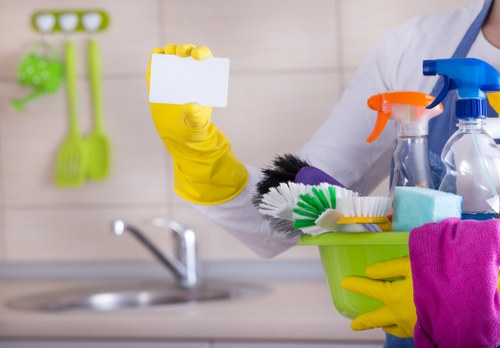 At Cleaners NW1, sustainability is part of how we work every day. Our cleaning and recycling practices in NW1 are designed to reduce waste, support local recovery systems, and make sure that reusable materials are handled responsibly. From paper and cardboard to plastics, glass, and specialist waste streams, we aim to improve diversion from landfill while keeping our service efficient for homes, offices, and shared buildings across the area.
We are working toward a minimum recycling percentage target of 85% for suitable operational waste, with a clear focus on separating materials correctly before they leave site. That means sorting recyclable packaging, keeping contaminated items out of mixed loads, and using local transfer routes that support better recovery outcomes. In practice, this approach helps us keep our environmental impact lower while contributing to the boroughs’ wider waste separation efforts, where dry mixed recycling, food waste, and residual waste are increasingly handled through distinct streams.
Our approach to eco-friendly cleaners in NW1 also includes careful planning around disposal, collection, and reuse. We look for ways to minimise single-use items, extend the life of cleaning tools, and select products and packaging that can be responsibly recycled where facilities allow. In busy central London areas, where waste sorting rules can vary slightly between boroughs, that extra attention matters. It helps us stay aligned with local expectations and keep recyclable material moving into the right system rather than being sent to general waste.
 A big part of our sustainability effort is the use of local transfer stations and waste handling facilities. For a cleaning service operating in NW1, proximity to legitimate transfer routes matters because it reduces unnecessary mileage and supports faster sorting and processing. Using local transfer stations also allows us to separate collected materials more effectively before they enter broader recovery or recycling channels, especially for cardboard, plastic containers, metal packaging, and other common items generated during regular cleaning and maintenance work.
We pay close attention to the recycling systems used across nearby boroughs, including the common separation of dry recycling from food waste and general rubbish. In many properties around Camden and neighbouring districts, there is a strong emphasis on making sure paper, tins, cans, and bottles are placed in the correct collection stream. Our team supports that structure by keeping waste from cleaning tasks organised in a way that matches local collection expectations, which makes it easier for materials to be processed without contamination.
Where appropriate, we also support building managers and commercial clients by identifying waste types that can be recovered separately, such as worn microfibre cloths, cardboard outer packaging, and certain plastic refills. This kind of practical recycling in NW1 is not only about compliance; it is about making everyday cleaning more resource-conscious. Small improvements in sorting and storage can have a meaningful effect over time, especially in dense urban environments with high volumes of service-related waste.
 Our sustainable cleaning service in NW1 is also shaped by partnerships with charities and community reuse organisations. Instead of discarding usable items whenever possible, we look for opportunities to direct gently used supplies, textiles, or redundant but serviceable materials toward charitable reuse routes. These partnerships help extend the life of items that still have value and support social causes at the same time, creating a more circular approach to cleaning operations.
Charity partnerships can play a valuable role in reducing waste from premises that undergo regular maintenance, clear-outs, or seasonal refreshes. For example, items that are no longer needed by one site may still be suitable for community projects, training groups, or local charity initiatives. By building those links into our waste management process, Cleaners NW1 helps keep reusable goods out of landfill and supports the borough’s broader commitment to sustainability and responsible disposal.
We also try to encourage a mindset of reuse before recycling. That can mean using durable materials, refilling where possible, and choosing packaging that is easier to recover after use. In areas where local authorities promote stronger waste separation, these small decisions help ensure recyclable materials remain clean and easier to sort. Over time, that supports better recovery rates and reinforces the idea that sustainability is built into daily service delivery, not added later as an afterthought.
Our vehicle strategy is another important part of the picture. We increasingly rely on low-carbon vans for local travel, helping reduce emissions across cleaning rounds, collection runs, and site visits. These vans are chosen for efficiency, lower exhaust output, and suitability for short urban journeys, which is especially relevant in NW1 where stop-start traffic and dense routes can increase fuel use. By improving fleet efficiency, we reduce the carbon footprint associated with moving staff and materials around the borough.
 Alongside lower-emission transport, we plan routes to avoid unnecessary mileage and limit repeated trips to transfer points. That helps us cut fuel use while keeping service timings reliable. The combination of route optimisation and cleaner vehicles supports our wider aim of offering a green cleaning solution in NW1 that is practical as well as responsible. It also reflects the reality of local operations, where every saved journey can make a measurable difference over time.
 For clients across homes, offices, and managed properties, our recycling and sustainability approach is designed to be simple, consistent, and effective. We focus on the details that matter most: separating waste properly, using local transfer stations, supporting charitable reuse, and operating low-carbon vans wherever feasible. As a result, recycling services in NW1 can be delivered in a way that respects both the local environment and the needs of the community, while helping build a cleaner, lower-waste future for the area.