Pet Stain Odour Removal in NW1: Local Help for Fresh, Clean Carpets, Sofas, and Floors
If you live or work in NW1 and you are dealing with lingering pet smells, visible stains, or repeat accidents, you are not alone. Pets bring a lot of joy into a home, but they can also leave behind stubborn marks and odours that are difficult to shift with shop-bought sprays or a quick surface clean. Whether it is a carpet in a Camden flat, a sofa in a Primrose Hill townhouse, or flooring in a busy office close to Euston, Pet Stain Odour Removal in NW1 is about restoring freshness properly, not just masking the problem.
Local properties in NW1 can make pet cleaning especially challenging. Many homes have fitted carpets, stairs, hallways, shared entrances, or rooms with limited ventilation. Some buildings have access restrictions, controlled parking, or narrow stairwells that make large equipment harder to move. A local team understands these practical issues and can plan the work around your property type, your schedule, and the amount of cleaning needed. That is why local pet stain and odour treatment is often more effective than a general clean.
Pet accidents can happen in any household, from new puppies and kittens to older pets with occasional accidents, marking behaviour, or illness-related incidents. Over time, urine can soak into carpet fibres, underlay, upholstery padding, grout lines, and even floorboards, which means the smell can return when the room warms up or becomes damp. If you want a real solution, the focus needs to be on breaking down the source of the odour and removing the stain as thoroughly as possible.
Why Pet Stain Odour Removal Matters in NW1
Pet odours are one of those problems that can become part of the background in your own home, which makes them harder to notice over time. Visitors, tenants, staff, and customers may smell them immediately. In a compact NW1 property, odours can travel through open-plan living spaces, hallways, and shared areas, so one accident can affect more of the property than you expect. This is especially relevant in flats, maisonettes, and converted buildings where air circulation is limited.
Surface cleaning may remove a visible patch, but urine crystals and other residues can remain below the surface. That is why the smell often returns after vacuuming, steam from cooking, heating in winter, or a damp day. Proper pet stain odour removal targets the source rather than the symptom. It can help protect carpets, reduce the chance of repeat marking, and make the room feel clean again.
For landlords, letting agents, and commercial premises in NW1, pet odour issues can also affect presentation and usability. A property that smells clean is easier to rent, easier to maintain, and more comfortable for everyone who uses it. For homeowners, it simply makes daily life better. If you are preparing for guests, moving out, welcoming a new baby, or trying to refresh a room after pet training accidents, a professional service can save time and frustration.
Common Pet Stain Problems We See in NW1
Every property is different, but certain issues come up again and again in NW1. The most common are dog urine on carpets, cat spray on skirting and furniture, muddy paw marks ground into hallways, and repeated small accidents in the same spot. Some problems are obvious, while others are hidden under furniture, in corners, along walls, or beneath rugs.
Pet stain odour removal in NW1 often involves more than one surface. For example, a single accident may affect a carpet, underlay, and upholstery edge at the same time. In homes with wooden floors, the liquid can seep into seams or around the edges of flooring, causing a persistent smell even after the visible stain has been cleaned. In commercial spaces such as small offices, clinics, or managed properties, a pet accident may affect waiting areas, reception carpets, or fabric seating.
Some of the most common situations include:
- Fresh accidents that need prompt treatment before they soak deeper.
- Old stains that have dried and become harder to remove.
- Recurring odours in the same spot due to residue left behind.
- Pet spray on upholstery, curtains, or soft furnishings.
- Accidents under beds, sofas, or storage furniture where airflow is poor.
- Odours in hallways, landings, and communal areas of flats.
How Our Local Cleaning Approach Works
A good pet stain service starts with identifying the type of contamination and the surface affected. A carpet stain is not treated in the same way as a leather chair, a fabric sofa, or a hard floor seam. The goal is to use the right process for the material so the stain is removed effectively without causing unnecessary damage. In NW1 properties, where materials often vary from room to room, that careful approach matters.
The process typically begins with inspection. The cleaner checks the visible stain, the surrounding area, and the likely depth of contamination. This helps decide whether the issue is only on the surface or whether it has penetrated into underlay or upholstery padding. From there, the area is pre-treated using suitable cleaning solutions designed to break down organic residue and neutralise odour at the source.
Depending on the situation, treatment may include controlled agitation, extraction cleaning, targeted stain removal, deodorising, or multiple passes in the affected area. For more stubborn odours, a specialised treatment may be used to reach deeper contamination. After cleaning, the area is left as dry as practical, with advice on ventilation and aftercare so the result lasts longer.
What Is Included in Pet Stain Odour Removal in NW1
Customers often want to know exactly what the service covers. While the precise approach depends on the condition of the item or room, a professional visit normally focuses on both stain removal and odour control. This means the work is designed to improve appearance and smell together, rather than treating only one part of the problem.
Common inclusions can be:
- Assessment of the affected area and surface type.
- Pre-treatment of visible stains and odour-affected spots.
- Deep cleaning of carpet fibres or upholstery fabric where suitable.
- Targeted deodorising to help neutralise lingering smells.
- Attention to edges, corners, and hard-to-reach spots.
- Advice on drying, ventilation, and protecting the treated area after the visit.
Some jobs are small and localised, such as one accident on a bedroom carpet. Others involve multiple rooms or a combination of carpet, upholstery, and hard flooring. If the problem has been present for a while, you may need a more intensive treatment. In every case, the aim is to leave the property cleaner, fresher, and easier to maintain.
For households with pets, tenants moving out, and busy commercial premises in NW1, this can be a practical way to reset the space without replacing the flooring or furniture unnecessarily.
Why a Local NW1 Team Can Be Better for This Job
Choosing a local company brings practical advantages that really matter with pet stain and odour problems. NW1 includes a mix of residential blocks, period conversions, high-traffic streets, and commercial units, so access and timing can be just as important as the cleaning itself. A local team is more likely to understand parking conditions, building access, and the best times to work around residents or business hours.
Local knowledge is also useful because pet stains are often urgent. When an accident happens, you may want a fast visit before the smell spreads or sets in. A nearby service can often respond more efficiently and give straightforward advice based on the realities of your property type. That can be especially helpful in areas such as Camden, Regent’s Park edges, King’s Cross, Euston, Kentish Town borders, and around Primrose Hill where access can vary from building to building.
There is also a trust factor. Customers usually prefer someone who is used to working in local homes and business properties, understands the everyday challenges, and can explain the process clearly. You should feel comfortable asking questions about what can be removed, what may improve, and how long the area may need to dry. That practical, direct approach is what many people want when booking pet stain odour removal in NW1.
Typical Property Types in NW1
NW1 is varied, and pet cleaning needs to suit the property rather than follow one fixed formula. Common settings include:
- Small and medium-sized flats with limited ventilation.
- Converted Victorian and period properties with mixed flooring.
- Modern apartment blocks with shared entrances and lift access.
- Townhouses with stairs, landings, and multiple fabric surfaces.
- Offices, studios, salons, and customer-facing commercial spaces.
Each setting has different pressure points. In a flat, the main issue may be trapped odour in the carpet or sofa. In a commercial space, presentation and timing can matter more because the area must stay welcoming for staff and visitors. A local service can adapt to both.
How to Prepare for a Pet Odour and Stain Treatment
Good preparation helps the visit go smoothly and can improve the end result. You do not need to deep clean before the technician arrives, but a little organisation can make the treatment quicker and more effective. The exact preparation depends on whether the problem is on carpet, upholstery, a mattress, or hard flooring.
Useful preparation steps include:
- Clear small items, pet toys, and loose objects from the affected area.
- If possible, vacuum dry debris before the visit.
- Move lightweight furniture if you are able to do so safely.
- Make a note of all affected spots, including older stains that may no longer be visible.
- Keep pets away from the treatment area during the service and while it dries.
- Let the team know if there are any access issues, parking limits, or building entry rules.
If the stain is very fresh, avoid rubbing it hard or using random mixtures of household products. That can push the contamination deeper or make the stain harder to remove. Blotting gently is usually safer until the area can be treated properly. If the odour is strong, try to ventilate the room without soaking the area further.
Pricing Factors for Pet Stain Odour Removal
Customers often ask how pricing is worked out, and the honest answer is that it depends on several factors. Because every stain is different, it is not sensible to assume one flat price will suit every job. A small surface mark in one room is very different from repeated accidents across several rooms or contamination that has reached the underlay.
The main factors that can affect the cost include:
- The size of the affected area.
- The number of stains or odour sources.
- The type of surface, such as carpet, fabric, mattress, or hard floor.
- How long the contamination has been present.
- Whether the stain has reached underlay, padding, or hidden layers.
- Access conditions, parking restrictions, and time needed on site.
In NW1, access can play a real role in planning. If parking is limited or building entry is complicated, it is helpful for the team to know in advance so the appointment can be organised properly. The best next step is to request a free quote based on the details of your property and the affected area. That way you get a realistic idea of what is involved before booking.
When to Act Fast
The sooner you deal with pet urine or related staining, the better the outcome tends to be. Fresh accidents are usually easier to treat because the contamination has not had as much time to settle into the fibres or deeper layers. Once the residue dries, the odour can become more stubborn and the stain more visible.
You should act quickly if:
- The smell becomes stronger in warm weather or when heating is on.
- The same area keeps being marked again.
- You can smell pet odour when you enter the room.
- The stain is close to furniture, walls, or skirting boards.
- You are preparing to move out, rent out the property, or host visitors.
Fast action does not mean rushing with the wrong product. It means getting the right treatment in place before the stain becomes a deeper and more expensive problem. If you are unsure whether the area can be saved, it is often worth asking for advice early.
Areas Covered Across NW1
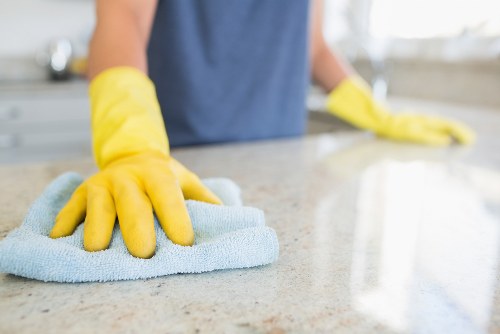
Pet stain odour removal is available across the wider NW1 area and nearby neighbourhoods, serving both residential and commercial customers. This includes homes and business premises around Camden, Regent’s Park, Primrose Hill, Euston, King’s Cross, Somers Town, and nearby parts of Kentish Town and St Pancras. Because local properties vary so much, the service can be tailored for flats, shared buildings, and private premises alike.
Typical locations where customers request this service include:
- Flats with carpeted bedrooms and living rooms.
- Townhouses with stairs, landings, and multiple levels.
- Rental properties needing refreshment between tenancies.
- Pet-friendly homes with repeated accident spots.
- Offices, studios, and customer-facing premises.
- Managed properties where odours need to be dealt with discreetly and efficiently.
If your property is near busy roads, transport links, or mixed-use streets, it can also be useful to choose a team familiar with local access patterns. That helps reduce delays and makes the visit more straightforward from start to finish.
Why Professional Cleaning Usually Works Better Than DIY
Many people try home remedies first, especially if the stain seems small. That is understandable, but pet odours are often more complex than they appear. Household sprays can briefly mask the smell, yet leave the underlying residue untouched. In some cases, they can even set the stain or cause colour change on delicate fabrics.
Professional treatment offers several advantages. It uses products and methods chosen for the surface and the contamination level, and it can reach deeper than standard cleaning. This matters with urine, spray, and repeated pet accidents because the odour source may be below what you can see. In a carpet, for example, the top layer may look clean while the underlay still smells.
In short, the aim is not to cover up the problem. It is to remove the source as thoroughly as possible so your room feels properly fresh again. That distinction is important when choosing a service in NW1, particularly if the area is used every day or must be kept presentable for guests, tenants, clients, or staff.
What Customers Usually Want Fixed
Most customers are not asking for anything complicated. They usually want one or more of the following outcomes:
- The stain becomes far less visible or disappears entirely where possible.
- The odour is removed or reduced to a much more manageable level.
- The room feels clean enough to use again with confidence.
- The affected surface is treated without unnecessary damage.
- The problem does not return after the area warms up or dries.
That is why a careful inspection and the right treatment method matter so much. The best result is not only about appearance, but also about comfort and peace of mind.
Frequently Asked Questions
Can you remove old pet urine smells from carpet?
Old smells can often be improved significantly, and many can be treated successfully depending on how far the contamination has spread. If the urine has reached the underlay or flooring below, more intensive treatment may be needed. The sooner the issue is dealt with, the better the result tends to be.
Will the stain always disappear completely?
Not always. Some stains are removable, while others may fade rather than vanish entirely, especially if they have been present for a long time or if the material has already been damaged. A proper treatment should still improve the look and smell of the area as much as possible.
Is the service suitable for sofas and chairs?
Yes, pet stain odour removal can often be carried out on upholstery, depending on the fabric and construction. Soft furnishings need a careful approach so the material is cleaned effectively without over-wetting or causing distortion.
How long will the area take to dry?
Drying time depends on the surface, the amount of treatment used, room ventilation, and the weather. Carpets and upholstery in NW1 flats with limited airflow may take longer than in well-ventilated homes. You will normally be advised on how to speed up drying safely.
Can you help with repeated marking?
Yes, repeated marking is one of the most common reasons people book this service. Treating the residual odour properly can reduce the chance of pets returning to the same spot. In some cases, additional advice on cleaning routine and prevention may also help.
Do I need to move out while the work is done?
No, not usually. Most customers remain at home or at work while the cleaning is carried out, although you may need to keep pets and children away from the treated area until it is dry and ready to use again.
Why Choose a Local Company for Pet Stain Odour Removal in NW1
There are plenty of reasons to choose a local provider rather than a general all-purpose service. First, the team is more likely to understand the layout and pressures of NW1 properties. Second, they can respond more practically to access issues, parking limits, and time-sensitive jobs. Third, local experience helps with the sort of everyday problems that matter most to customers: a quick turnaround, clear communication, and a treatment that suits the building.
A local company also tends to be better placed to help with both one-off accidents and ongoing maintenance for pet-friendly homes. If you manage a rental property or run a business, you may need a service that can be booked around occupancy, cleaning schedules, or opening hours. That flexibility makes a real difference when the odour problem is affecting use of the space.
Whether you need support after a puppy training accident, help with cat spray in a flat, or a deeper clean before a tenancy changeover, the right service can restore comfort without unnecessary disruption. If you are in NW1 and want a reliable solution, this is the right time to request a free quote and discuss the condition of the affected area.
Booking Your Pet Stain Odour Removal Service
Booking is usually straightforward. Once you explain the type of stain, the surface involved, and the size of the affected area, you can be advised on the likely treatment and what preparation may be needed. It helps to mention whether the smell is recent or old, whether it has affected carpet, upholstery, or flooring, and whether there are access or parking restrictions at the property.
If you are unsure whether the problem is serious enough for professional treatment, it is still worth asking. A short conversation can save you time, money, and stress, especially when the issue is hidden or keeps coming back. For many households and businesses, professional pet cleaning is the fastest way to get the space back to normal.
Contact us today to discuss your situation, request a free quote, or book your service now. If you are in NW1 and need pet stain odour removal that is practical, thorough, and suited to your property, professional help is ready when you are.
Final thought
Pet accidents are frustrating, but they do not have to become a long-term problem. With the right local treatment, your carpets, sofas, and rooms can feel fresher, look cleaner, and be much more pleasant to live or work in.
If you are dealing with stubborn pet stains or lingering odours in NW1, now is the time to take the next step.